🌱 Part of the Indian Vegetarian & Jain Food Guide series
Thailand offers an incredible array of plant-based cuisine that will delight vegetarians and vegans alike. This comprehensive vegetarian and vegan food guide for Thailand will help you navigate the country’s rich culinary landscape while maintaining your dietary preferences.
Thailand’s Buddhist culture and abundant tropical produce make it one of the world’s best destinations for plant-based eating. The country’s traditional cuisine features countless naturally vegetarian dishes, while the growing vegan movement has introduced innovative plant-based alternatives to classic Thai favourites.
Buddhism plays a significant role in Thai vegetarian traditions. Many Thai Buddhists observe “Jay” (เจ) eating, a strict form of veganism that excludes not only meat and dairy but also pungent vegetables like garlic and onions. This religious practice has created a robust infrastructure for plant-based dining nationwide.
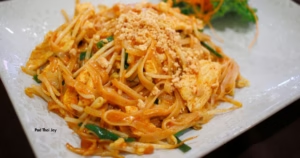
Pad Thai Jay (เจ) This vegetarian version of Thailand’s national dish replaces meat with tofu or vegetables while maintaining all the sweet, sour, and salty flavours that make Pad Thai irresistible.
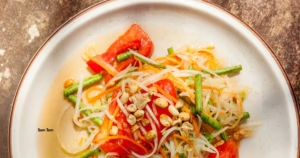
Som Tam (Papaya Salad) This refreshing salad combines shredded green papaya with tomatoes, carrots, and beans in a tangy dressing. Always specify “Som Tam Jay” to ensure no fish sauce is used.
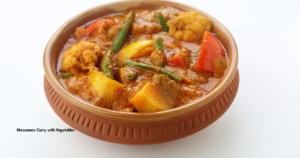
Massaman Curry with Vegetables Rich and aromatic, this curry traditionally uses coconut milk and can easily be made vegan by substituting vegetables for meat and ensuring no fish sauce is added.
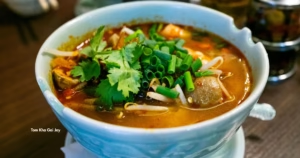
Tom Kha Gai Jay This coconut soup gets its creamy texture from coconut milk and can be prepared with mushrooms instead of chicken, creating a satisfying vegan alternative.
Thailand’s urban centers now feature creative plant-based versions of traditional dishes, including vegan larb made with mushrooms, jackfruit-based “meat” curries, and dairy-free mango sticky rice.
Northern Thai cuisine offers unique vegetarian options like Khao Soi Jay (curry noodles), Nam Prik Num (green chili dip), and various jungle curries made with local vegetables and herbs.
Bangkok leads Thailand’s vegan revolution with innovative restaurants serving everything from plant-based sushi to vegan Thai barbecue. The city’s Chinatown area offers exceptional Jay food options.
Southern Thai cooking relies heavily on coconut milk, making it naturally suitable for vegan adaptations. Dishes like Gaeng Som (sour curry) and various coconut-based desserts are often naturally plant-based.
Phuket, Koh Samui, and other tourist destinations increasingly offer vegetarian and vegan options, often marked with English signage for international visitors.
The word “Jay” (เจ) is crucial for vegetarian travelers in Thailand. It indicates food prepared without meat, seafood, eggs, or dairy, and often excludes pungent vegetables as well.
Thai street food offers numerous vegetarian-friendly options when you know what to look for:
Be cautious of seemingly vegetarian dishes containing fish sauce, oyster sauce, or shrimp paste. Always communicate your dietary restrictions.
Thailand’s markets offer incredible variety for vegetarian cooking:
Major cities stock international vegetarian and vegan brands, while local alternatives often provide excellent quality at lower prices.

Many cooking schools throughout Thailand now offer vegetarian and vegan-specific classes, teaching you to prepare authentic plant-based Thai dishes at home.
Thailand’s tropical climate means fresh produce is available year-round, but certain fruits and vegetables peak during specific seasons, affecting restaurant menus and market availability.
Thai festivals often feature special vegetarian dishes, particularly during Buddhist holidays when many locals adopt temporary plant-based diets.
Thai vegetarian food offers numerous health benefits:
Thailand truly is a vegetarian and vegan paradise, offering incredible diversity in plant-based cuisine. From traditional Buddhist Jay food to modern vegan innovations, this vegetarian and vegan food guide for Thailand demonstrates that you can enjoy authentic Thai flavours while maintaining your dietary principles. Whether you’re exploring Bangkok’s sophisticated vegan scene or discovering regional specialities in northern Thailand, your plant-based journey through Thailand will be both delicious and memorable.
Q: Is Thailand vegetarian-friendly? A: Yes, Thailand is very vegetarian-friendly due to Buddhist culture and abundant plant-based ingredients. Many restaurants offer vegetarian options, and dedicated vegetarian restaurants are common in tourist areas.
Q: What does “Jay” mean in Thai vegetarian context? A: “Jay” (เจ) refers to a strict form of Buddhist vegetarian eating that excludes meat, seafood, eggs, dairy, and often pungent vegetables like garlic and onions.
Q: How do I say “I’m vegetarian” in Thai? A: Say “Gin Jay” (กินเจ) to indicate you eat vegetarian food, or “Mai gin neua” (ไม่กินเนื้อ) for “I don’t eat meat.”
Q: Are Thai curries vegetarian? A: Traditional Thai curries often contain fish sauce or shrimp paste, but many restaurants can prepare vegetarian versions using soy sauce instead.
Q: What vegetarian street food is safe to eat in Thailand? A: Safe options include fresh fruit, mango sticky rice, grilled corn, vegetable spring rolls, and fruit smoothies. Always confirm ingredients with vendors.
Q: Can I find vegan cheese and milk in Thailand? A: Yes, major cities like Bangkok and Chiang Mai have international supermarkets stocking vegan dairy alternatives, plus local coconut-based options.
Eccentric Blogger, Traveler and Consultant.