📚 Part of the Airline & Flight Guide India series.
Booked a Mumbai-Dubai flight for ₹8,000. Brilliant deal, I thought. By the time I reached checkout, the total read ₹25,000. Seat selection added ₹2,500. Check-in baggage tacked on ₹3,200. Meals pushed another ₹1,800. Priority boarding? ₹1,500. Credit card fee: ₹240. Convenience fee: ₹180. Travel insurance auto-selected without asking: ₹1,800. They’re charging for everything except breathing cabin air. Actually, wait—fuel surcharge essentially does that.
Welcome to the world of airline hidden fees, where advertised prices mean absolutely nothing.
Indian carriers have perfected the art of advertised deception. That ₹3,999 Delhi-Goa flight plastered across your screen? It’s a mirage designed to get you clicking. Airlines know most passengers won’t abandon their booking halfway through after investing 10 minutes selecting dates and entering passenger details. This psychological commitment trap works brilliantly for them.
Research from consumer rights groups shows that budget airline tickets in India cost 60-80% more than the base fare once all mandatory and semi-mandatory charges apply. Full-service carriers aren’t innocent either—they’ve adopted the same nickel-and-diming playbook.
Let me show you exactly how a seemingly affordable IndiGo ticket transforms into a budget-buster:
Delhi to Goa “₹6,999” Flight—The Truth:
Actual total: ₹12,479
That’s 78% more than advertised. The “cheap” flight just became decidedly expensive.
IndiGo isn’t alone in this practice, but they’ve become the poster child for aggressive fee stacking. Air India, SpiceJet, and others follow similar models with slight variations.
Airlines introduced fuel surcharges decades ago when oil prices spiked. Prices eventually stabilised. The surcharge never disappeared. Currently ranging from ₹800-₹1,500 on domestic flights, this fee exists on every single booking regardless of actual fuel costs. When oil prices drop, notice how tickets don’t get cheaper?
Airlines now charge ₹200-₹2,500 per seat depending on location and flight duration. Want a window? ₹800. Aisle? ₹800. Emergency exit with extra legroom? ₹1,500-₹2,500. Middle seat in the back near the toilet? Sometimes free, if you’re lucky.
The psychological trick: they show all the “good” seats as paid options, making free middle seats look undesirable. Many passengers pay up simply to avoid being separated from travel companions.
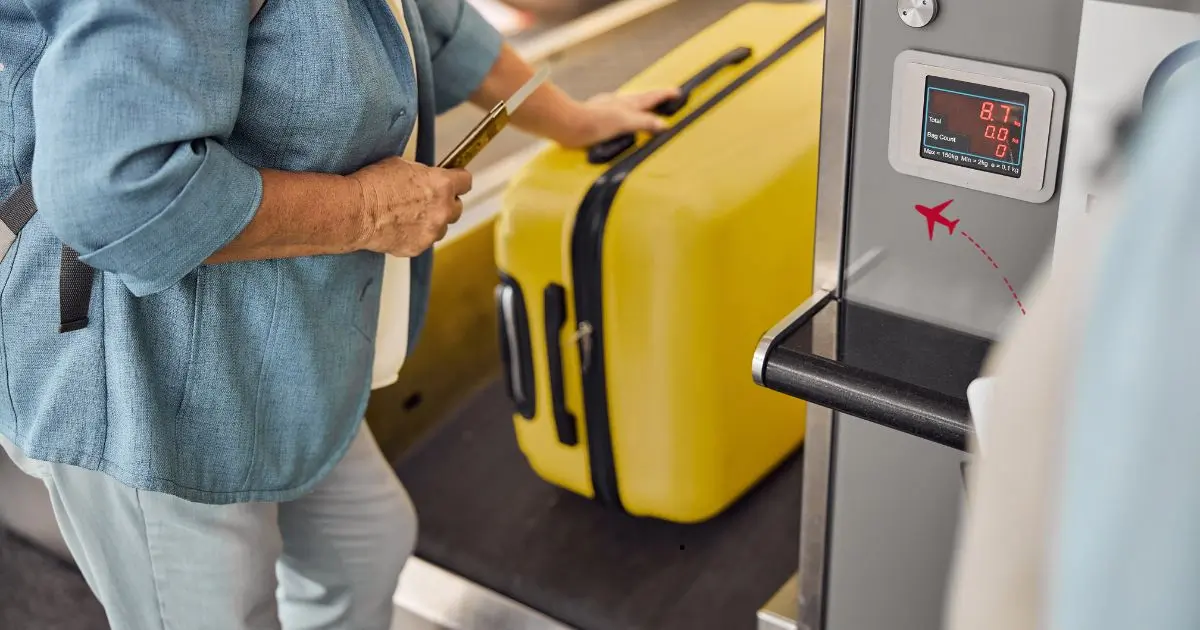
Check-in baggage represents pure profit for airlines. Industry data suggests carrying a 15kg bag costs airlines approximately ₹180-₹250 in fuel and handling. They charge ₹2,000-₹3,000 at the airport, or ₹1,200-₹1,800 if booked online beforehand.
The profit margin? Over 800%.
Meanwhile, ticket-based fares operate on margins of 2-4%. Airlines make more money from your suitcase than from your seat. Cabin baggage limits have also shrunk—IndiGo measures bags to the millimetre, often forcing passengers to check bags unexpectedly at the gate for ₹3,000.
This one’s particularly audacious. You’re charged ₹150-₹240 as a “convenience fee” or “payment gateway charge” for the privilege of paying the airline. Booking online? Fee. Using a credit card? Fee. Using a debit card? Different fee.
Some airlines charge different amounts based on payment method:
The irony? Online booking reduces airline costs significantly compared to call centre or airport counter bookings. Yet they charge you for making their life easier.
Travel insurance boxes come pre-ticked during booking. Most passengers don’t notice until reviewing the final receipt. This ₹500-₹1,800 charge covers basic trip cancellation or medical emergencies, but policies often contain significant exclusions that render them nearly useless.
According to consumer complaints filed with aviation authorities, over 60% of passengers who purchased airline-bundled insurance weren’t aware they’d bought it. Always untick this box unless you genuinely need coverage—and even then, standalone insurance policies typically offer better value.
Budget airlines charge ₹400-₹800 for meals that consist of a sandwich, chips, and water. Full-service carriers like Air India include meals on longer routes but charge ₹600-₹1,200 if you want specific options or additional servings.
International comparison: Emirates provides multi-course meals free on all flights. Singapore Airlines offers free gourmet dining. Qatar Airways includes complimentary meals and premium beverages. Indian carriers? ₹100 for bottled water.
Priority boarding (₹800-₹1,500), priority check-in (₹500-₹800), and fast-track security (₹500-₹1,000) promise time savings. Reality? On most domestic flights, everyone boards within 20 minutes anyway. The “priority” advantage might save you five minutes, costing ₹100 per saved minute.
Unless you’re genuinely short on time or have mobility issues, these services offer minimal practical benefit.
IndiGo’s Fee Philosophy: IndiGo operates on ultra-low base fares with aggressive upselling. Their revenue model depends on add-on fees contributing 30-40% of total income. Base ticket margins? Razor-thin. Baggage and seat fees? Massive profit centres.
Air India’s Approach: Air India includes some services in base fares (like baggage on certain routes) but has adopted fee-based models for many domestic flights. International routes maintain more traditional full-service models, though even these are eroding.
International Standards: Emirates, Singapore Airlines, Qatar Airways, and other premium carriers include meals, baggage, entertainment, and decent legroom in base fares. Yes, tickets cost more upfront—but often less than Indian “budget” carriers after all fees apply.
Purchasing check-in baggage during initial booking saves 30-50% compared to airport rates. That ₹3,000 airport baggage fee? ₹1,200 if bought during booking. Massive difference for identical service.
Do you really need priority boarding? Probably not. Meal? Eat before flying or bring your own food (allowed on all Indian carriers). Seat selection? If you’re flexible, free middle seats work fine for short flights.
IndiGo allows 7kg of cabin baggage. Pack strategically—wear heavy clothing, stuff jacket pockets, use every allowed gram. Many passengers successfully travel with only cabin bags, avoiding check-in fees entirely.
A ₹8,000 IndiGo flight with ₹4,000 in fees totals ₹12,000. An Air India flight at ₹11,000, including baggage and meals? Better deal. Always calculate the final cost before booking.
UPI payments often carry the lowest fees (₹50-₹100). Credit cards attract the highest charges (₹180-₹240). Choose wisely and save ₹100-₹150 per booking.
Sometimes two separate budget flights via connecting cities cost less than direct flights, even with fees. Run comparisons on Google Flights or Skyscanner to uncover cheaper routing options.
Airlines employ deliberate design choices to maximise fee revenue:
Dark Patterns: Pre-ticked insurance boxes, confusing seat selection interfaces showing free seats as unavailable, urgent countdown timers creating false scarcity.
Drip Pricing: Displaying low prices initially, then gradually adding fees during checkout—a practice scrutinised by consumer protection authorities worldwide but largely unregulated in India.
Comparison Difficulty: Every airline structures fees differently, making true cost comparison nearly impossible without completing multiple bookings.
Emotional Manipulation: After spending 15 minutes entering details and selecting preferences, abandoning the purchase feels wasteful. Airlines exploit this sunk cost fallacy mercilessly.
Indian passengers have normalised paying extra for basic services. International standards differ dramatically:
Singapore Airlines includes:
The cost difference? Often minimal after adding all IndiGo fees.
Why do Indian carriers get away with this? Limited competition, regulatory gaps, and passenger acceptance. Most Indians don’t realise these practices aren’t universal standards—they’re profit maximisation strategies enabled by weak enforcement.
Industry insiders suggest airlines are exploring additional revenue streams:
While these sound extreme, remember that 15 years ago, paying for check-in baggage seemed equally absurd. Fee creep happens gradually until the outrageous becomes normal.
The Directorate General of Civil Aviation (DGCA) mandates transparency in pricing. Airlines must display total costs before final payment. However, enforcement remains patchy.
If you encounter hidden fees not disclosed during booking:
Government regulations require airlines to refund fees if services aren’t provided as promised. Paid for priority boarding, but everyone boarded simultaneously? Demand refunds. These requests succeed more often than passengers realise.
That ₹8,000 ticket genuinely cost ₹25,000. Not through mysterious surcharges—through deliberate unbundling of once standard services. Airlines found they could advertise lower base fares (attracting more clicks) whilst charging premium prices for everything else.
Understanding airline hidden fees means never trusting advertised prices. Calculate total costs, compare across carriers, and skip unnecessary add-ons. Sometimes paying ₹2,000 more for a full-service carrier saves ₹3,000 in avoided fees.
The aviation industry won’t change pricing practices voluntarily—too profitable. Until regulatory reform arrives (don’t hold your breath), passengers must navigate this system armed with knowledge.
Next time you see that unbelievably cheap flight deal, remember: if it looks too good to be true, check the final checkout page.
Why do Indian airlines charge for baggage? Airlines unbundled services to advertise lower base fares whilst generating revenue from add-ons. Baggage fees contribute 20-30% of total revenue for budget carriers, offering profit margins exceeding 800% compared to thin base fare margins.
How can I avoid airline hidden fees? Book baggage during initial purchase (saves 30-50%), skip unnecessary services like priority boarding, travel with cabin baggage only when possible, use low-fee payment methods like UPI, and compare total costs across airlines rather than base fares.
Are airline hidden fees legal in India? Yes, provided airlines display total costs before final payment. The DGCA requires pricing transparency, but individual fee structures remain largely unregulated. Many questionable practices continue due to weak enforcement.
Which Indian airline has the lowest fees? Fee structures change frequently, making definitive rankings difficult. Generally, comparing final checkout costs (including all required services) across airlines for specific routes provides the only accurate answer. Sometimes full-service carriers offer better total value.
Can I get refunds for fees if services aren’t provided? Yes. If you paid for priority boarding but everyone boarded simultaneously, or paid for seat selection but were moved, airlines must refund those specific fees. File complaints through AirSewa app or contact airlines directly with documentation.
Why do airlines charge payment gateway fees? Airlines claim payment processors charge them transaction fees, passed to customers. However, these charges often exceed actual payment processing costs, generating additional revenue. Some payment methods carry lower fees—using UPI typically costs ₹50-100 less than credit cards.
This article provides general information about airline pricing practices and fees in India. Whilst we strive for accuracy, airline policies and fee structures change frequently. Prices and examples mentioned reflect approximate rates as of December 2024. This content is for informational purposes only and should not be considered financial or legal advice. Always verify current fees directly with airlines before booking. Fee amounts may vary based on route, season, payment method, and booking timing.
Eccentric Blogger, Traveler and Consultant.