How I’m Relearning Solo Travel at 50 (Without Hostels or Long Walks) – Last month, I met an old travel friend for coffee. We reminisced about our backpacking days—the dodgy hostels in Bangkok, the overnight buses in Vietnam, those insane 15km walking tours where we’d survive on street food and adrenaline. Then he said something that hit hard: “Man, I can’t even imagine staying in a hostel now. We’re too old for that.” Solo travel at 50 isn’t what it was at 25. My body reminds me daily. My priorities have shifted. That mental block? It’s real. I spent two decades building a corporate travel company, helping others explore Asia, while quietly nursing this fear that my solo travel days were over.
They’re not. They’re just different. Here’s what I’ve learned about relearning solo travel in your 50s—the good, the uncomfortable, and the surprisingly liberating.
At 25, I could walk 20 kilometres through Chiang Mai’s old city, survive on pad thai and street fruit, sleep in a £5 hostel with no AC, and wake up ready for more. At 50, a 5km walk leaves my knees complaining for two days. Those overnight buses that used to be “part of the adventure”? Now they’re just torture devices.
What I’ve noticed:
The trekking trips I used to love? The ones where you hike for six hours to reach a remote village? My knees have opinions about those now. Strong, negative opinions.
Remember when you could sleep anywhere? Airport floors, night trains, beach huts with paper-thin walls? Solo travel at 50 means sleep quality directly affects your entire trip. A bad night’s sleep doesn’t just make you tired—it can derail two days of your itinerary.
I’ve learned this the expensive way. Book a better hotel. Get the room away from the street. Invest in noise-cancelling earbuds. Your 25-year-old self could bounce back from anything. Your 50-year-old self needs proper rest.
This was my biggest mental block. Choosing a boutique hotel over a hostel felt like betraying my backpacker identity. Like I’d become one of those “soft” tourists I used to secretly judge.
Then I realised: I have money now that I didn’t have at 25. Why am I punishing myself to prove I’m still “authentic”? Solo travel at 50 means embracing that you’ve earned the right to be comfortable. That £80 hotel with the amazing shower and actual soundproofing? That’s not selling out. That’s being smart.
The guilt I felt about this? Completely manufactured. Nobody’s giving out medals for suffering through the cheapest accommodation.
At 25, I tried to see everything. Seven countries in three months. Every temple, every market, every “must-see” attraction, even if half of them were underwhelming. I was collecting destinations like stamps.
Solo travel at 50 has taught me that three days deeply exploring one neighbourhood beats rushing through an entire city. I’d rather spend a week in Chiang Mai, really understanding it, than tick off ten Thai cities in the same time. The FOMO (fear of missing out) that drove my 20s? It’s been replaced by JOMO (joy of missing out).
My new approach:
Here’s something nobody tells you about solo travel at 50: You stop caring what people think. That voice in your head asking, “Am I too old for this?” gets quieter every trip.
Eating alone at restaurants used to make me self-conscious. Now? I bring a book, order what I want, and genuinely enjoy my own company. Other solo travellers are half my age? So what. I’m not here to make friends (though it happens anyway). I’m here because I want to be here.
This might be the best part of solo travel at 50—the freedom from giving a damn.
This is crucial: The reason you travelled solo at 25 is the same reason you want to travel solo at 50. That feeling of complete freedom, where every decision is yours, where you can change plans without consulting anyone, where you eat when you’re hungry and sleep when you’re tired—that doesn’t age out.
I still wake up in a new city and feel that buzz. That “I can go anywhere today” feeling hasn’t diminished at all. If anything, it’s stronger because I appreciate it more.
Getting older doesn’t make you less curious about the world. I still want to try that weird street food. I still want to explore that unmarked alley. Discovering a local coffee shop that tourists don’t know about, I still get excited about!
The difference? I’m more selective about which weird street food (my stomach is less forgiving), and I explore that alley in daylight instead of at midnight. The curiosity is identical; the execution is smarter.
At 25, solo travel taught me independence. At 50, solo travel reminds me I’m still capable of growth. It’s too easy to get comfortable in your routines, your city, your established life. Solo travel at 50 breaks that. It proves you can still handle uncertainty, still adapt, still surprise yourself.
Every solo trip is evidence that you’re not done yet. That matters more at 50 than it did at 25.
Forget hostels. I’m saying this as someone who loved hostel culture. The social aspect, the rooftop parties, meeting random travellers from everywhere—it was brilliant. But solo travel at 50 means acknowledging you need different things now.
What works better:
What I’ve learned: The accommodation directly affects your trip quality at 50. A good night’s sleep in a quiet room is worth every extra pound you spend. Your energy levels, mood, and ability to enjoy the destination all improve with better rest.
Replace long walks with:
Replace all-day adventures with:
I’ve stopped feeling guilty about spending 2 PM to 6 PM in an air-conditioned café, reading and people-watching. That’s not lazy. That’s sustainable solo travel at 50.
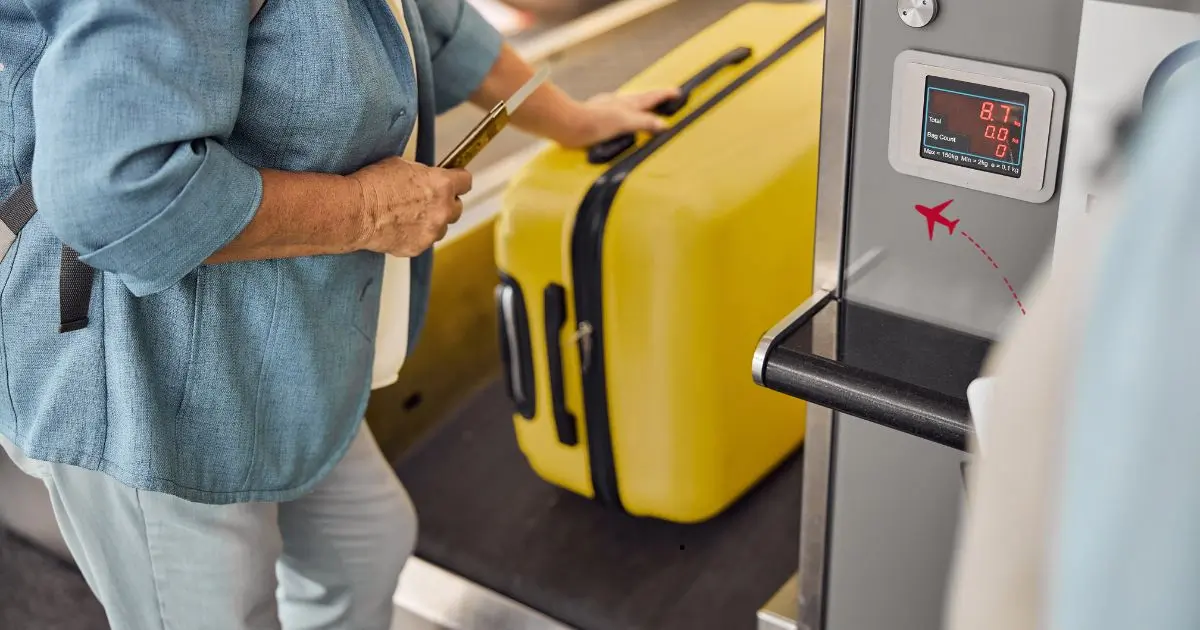
No more overnight buses. I don’t care how much money it saves. The ₹500 you save isn’t worth two days of back pain and exhaustion.
What works now:
The calculation changes: At 25, saving ₹500 by taking the 9-hour bus made sense. At 50, paying ₹4500 for a 1-hour flight makes sense. Your time on the trip is limited and precious.
Solo travel at 50 means leveraging tech that didn’t exist when you started:
The “figure it out as you go” approach was romantic at 25. At 50, it’s just unnecessarily stressful. Download the apps. Use the technology. Make your life easier.
Let’s be honest: You have money that 25-year-old you didn’t have. Use it. This doesn’t mean going luxury everywhere, but it means your budget constraints are different.
What this enables:
Solo travel at 50 isn’t about proving you can still do it on ₹2500/day. It’s about designing the trip that works for you now.
At 25, every travel mishap felt like a disaster. Missed connection? Catastrophe. Bad hotel? Trip ruined. Rainy day? Why is the universe against me?
At 50, you’ve survived actual problems. A delayed flight is an inconvenience, not a crisis. Bad weather means adjusting plans, not catastrophising. This perspective makes you a better solo traveller—more flexible, less stressed, more resilient.
You know exactly what drains you and what energises you. Also, you know you’re not a morning person, so you don’t book 6 AM tours. Already, you know three museum days in a row will bore you, so you intersperse them with markets and parks. You know you need alone time even within solo travel, so you build in rest days.
This self-knowledge makes solo travel at 50 more enjoyable than it was at 25. You’re not trying to be the traveller you think you should be. You’re being the traveller you actually are.
The freedom to not care what others think is underrated. Don’t want to go to that famous nightclub? Don’t go. Rather read in your hotel than explore tonight? That’s fine. Want to spend ₹10,00 on a fancy dinner? Go ahead.
Solo travel at 50 means you’ve paid your dues. You don’t need to prove anything to anyone—including yourself.
This was my biggest trap. I kept thinking solo travel at 50 should look like it did at 25. I’d book the same types of trips, try the same activities, and then feel inadequate when I couldn’t keep up.
The shift: Stop comparing. Your 25-year-old self could handle discomfort you can’t now. Your 50-year-old self can afford comfort you couldn’t then. These are different versions of solo travel—neither is superior.
Trying to prove you’re still 25 just makes you miserable. Accept that you’re 50 and design trips accordingly.
At 25, I tried to maximise every single day. Up at 6 AM, full day of activities, out until midnight, repeat. That’s not sustainable at 50, and honestly? It wasn’t even that enjoyable at 25. I was just afraid of “wasting” time.
Better approach for solo travel at 50:
If the itinerary exhausts you just reading it, you’ve overplanned.
This matters more at 50. Get comprehensive travel insurance that covers pre-existing conditions. Bring more medication than you think you’ll need. Know where hospitals are in your destinations. Have emergency contacts organised.
At 25, I travelled with whatever random insurance was cheapest. At 50, I have proper coverage, including medical evacuation. It costs more. It’s worth it. One medical emergency abroad without proper insurance could bankrupt you.
Here’s the trap: It’s easy to talk yourself out of solo travel at 50. Your knees hurt. You’re tired. Maybe you’re too old. What if something goes wrong? Maybe next year.
Next year you’ll be 51. You won’t suddenly feel younger or more capable. If you’re waiting to feel ready, you’ll wait forever.
The mental block is often scarier than the actual trip. Start small if you need to—a long weekend somewhere nearby. Prove to yourself you can still do this. Then plan something bigger.
Japan is perfect for solo travel at 50. Excellent public transport, safe, clean, comfortable accommodation at every price point, and a culture that respects solo diners. You can have authentic experiences without roughing it.
Why it works:
Portugal offers the perfect balance—an affordable, beautiful, relaxed atmosphere, excellent food, and not overwhelming. Lisbon and Porto are manageable sizes, with neighbourhoods you can explore without marathon walking sessions.
The weather is kinder than Thailand’s intense heat. The wine is excellent. The pace suits solo travel at 50 perfectly.
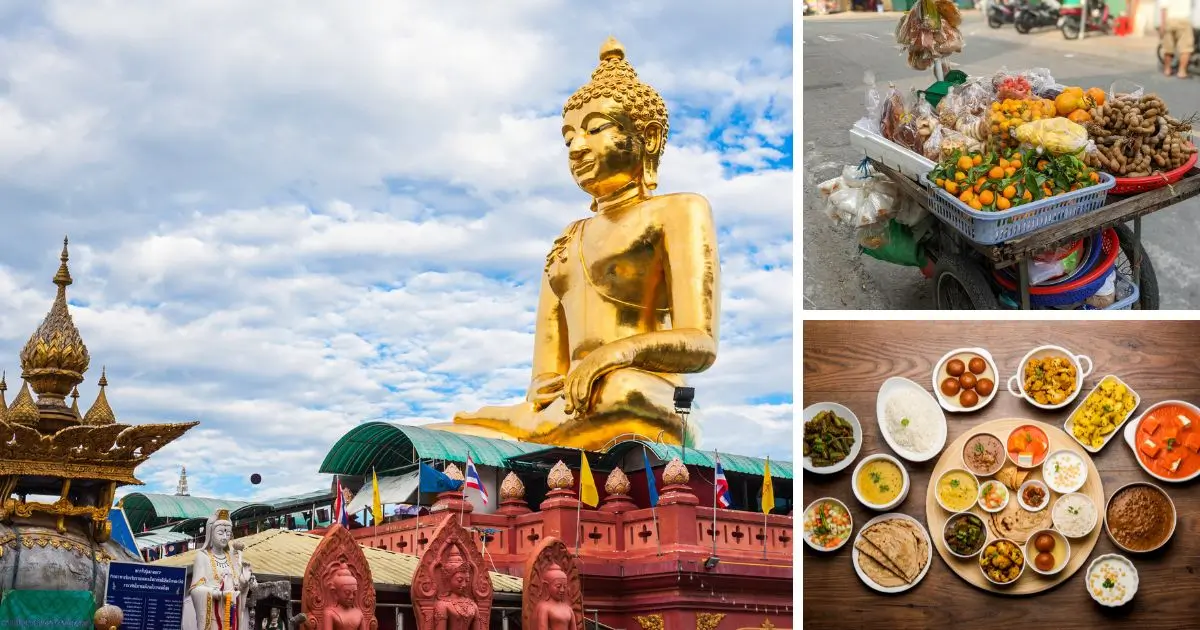
Thailand still works, but approach it differently than you did at 25. Skip the full moon parties and backpacker islands. Focus on:
Thailand at 50 means staying in proper hotels with good air conditioning, avoiding April-October heat, and embracing the food and culture over the party scene.
Vietnam rewards solo travel at 50 because the culture values older people, the food is incredible, and you can hire drivers for longer distances instead of taking buses.
Best approach:
Singapore is perfect for starting or ending Asian trips at 50. Ultra-safe, English-speaking, excellent infrastructure, and every comfort you need. Use it as a base to adjust to time zones or decompress before heading home.
It’s expensive, but sometimes paying for ease is exactly what solo travel at 50 requires.
If the idea of solo travel at 50 feels overwhelming, don’t start with a month in Southeast Asia. Build confidence gradually.
Choose somewhere 2-3 hours away. Book a nice hotel. Go for two nights. Walk around, eat alone, prove to yourself you still enjoy this. Low stakes, easy logistics.
Return to a destination you loved at 25. See how it feels now. This removes the anxiety of the unknown while testing your current capabilities.
Now plan a proper solo trip—7-10 days somewhere new. You’ve proven you can do this. The mental block is just fear, and fear shrinks when you face it in small doses.
The hardest part is the first trip. After that, you remember why you loved this. You realise you’re still capable. The mental block dissolves.
Here’s what surprised me most about relearning solo travel at 50: I’m enjoying it more than I did at 25.
At 25, I was trying to prove something—to myself, to others, to some imaginary audience judging whether I was “really” travelling or just being a tourist. Everything had to be authentic, adventurous, and Instagram-worthy (before Instagram existed).
Solo travel at 50 has none of that pressure. I go where I want, stay where I’m comfortable, skip things that don’t interest me, and spend money where it improves my experience. I’m not collecting countries or pursuing some idealised version of the enlightened traveller.
I’m just travelling because I enjoy it. That clarity is liberating.
The physical limitations are real. I can’t do what I could at 25. But the trade-offs are worth it: better judgment, more resources, less anxiety, deeper appreciation, and zero need to prove anything.
The mental block I felt? It was me trying to be 25 again instead of embracing what solo travel at 50 actually looks like. Once I accepted that these are different but equally valid experiences, everything clicked.
You’re not too old for solo travel at 50. You’re too experienced to do it the same way you did at 25. That’s not a limitation—it’s an evolution.
No. Solo travel at 50 is different from solo travel at 25, but not worse. You’ll have physical limitations you didn’t have before, but you’ll also have resources, perspective, and self-knowledge that make you a better traveller. The key is adapting your approach rather than trying to replicate your younger travels.
Technically yes, but most people find private accommodation more suitable for solo travel at 50. Hostels cater to younger travellers, and sleep quality becomes crucial as you age. Boutique hotels, guesthouses, and serviced apartments offer better value for solo travellers over 50.
Start small. Take a weekend trip to a nearby city first. Build confidence gradually rather than diving into a month-long adventure. The fear is usually worse than the reality. Once you prove to yourself that you’re still capable, the mental block dissolves.
Physical capability and priorities. At 25, you can handle long walks, uncomfortable accommodation, and packed itineraries. At 50, you need better sleep, shorter walking distances, and rest days. However, you also have more money, better judgement, and less need to prove anything—which often makes the experience more enjoyable.
Solo travel at 50 can be safer than at 25 because you have better judgement, more resources for emergencies, and typically choose more reliable accommodation and transport. The key is acknowledging your changing physical capabilities and planning accordingly—comprehensive travel insurance and knowing your limits matter more now.
Budget more than you did at 25. Not luxury prices, but comfortable mid-range. Expect £60-£100/night for accommodation, £30-£50/day for food, and don’t skimp on transport or insurance. Your comfort directly affects trip quality at 50, so budget accordingly. You’ll likely spend 2-3x what you spent at 25, but you’ll enjoy it more.
Japan, Portugal, northern Vietnam, and Thailand (cool season only) work well. Look for destinations with good infrastructure, manageable climates, walk-friendly cities with rest spots, and cultural depth that rewards slower exploration. Avoid destinations requiring extreme physical exertion or uncomfortable transport options.
Only if you prefer group dynamics. Solo travel at 50 works fine if you adjust your expectations and itinerary. However, day tours within your solo trip can be useful—they handle logistics while you retain independence. Don’t switch to group tours just because you’re 50; switch only if your travel style genuinely changes.
Eccentric Blogger, Traveler and Consultant.