+91 702 1005 183 info@mastyatri.com

Airport Scams India Exposed

📚 Part of the Airline & Flight Guide India series.

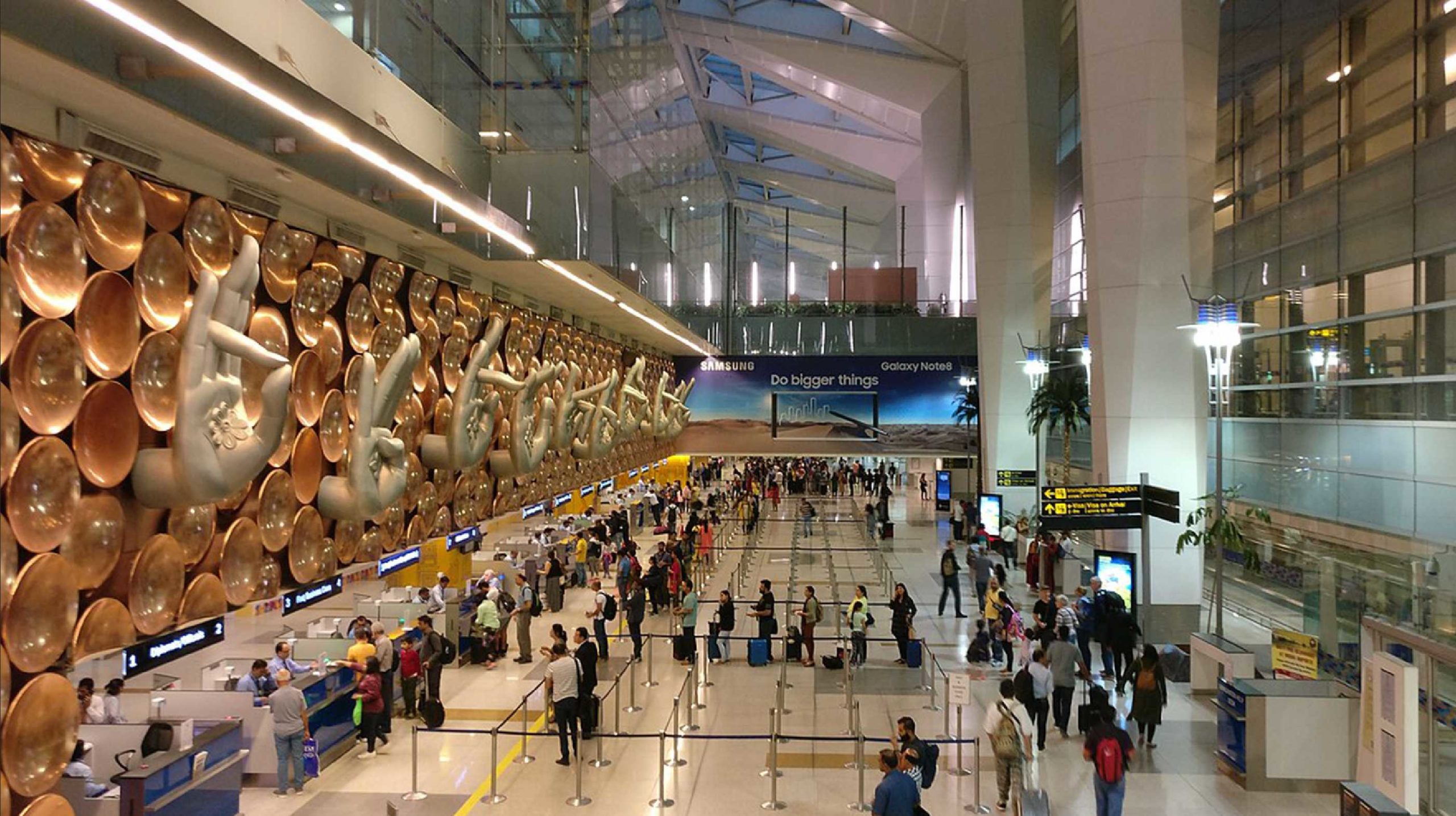
Landed at Indira Gandhi International Airport, Delhi. 11:45 PM. First time in India. Excited, exhausted, carrying two bags.

10 minutes later: ₹2,000 poorer.

What happened:

  • Porter grabbed my bags without asking: ₹800 demanded
  • “Prepaid taxi” counter (actually fake): ₹700 overcharged
  • Currency exchange at the airport: ₹500 lost to terrible rates

Total time: 10 minutes. Total loss: ₹2,000.

I wasn’t stupid. I was uninformed. These scams are systematic, sophisticated, and target every traveller—Indian and foreign alike.

Here’s every airport scam operating in India and exactly how to protect yourself.

The Taxi Mafia: India's Most Profitable Airport Scam

Scam 1: The Fake Prepaid Counter

How it works:

Exit international arrivals at Delhi or Mumbai airport. Multiple counters display “Prepaid Taxi” or “Official Airport Taxi” signs. They look legitimate—professional signage, uniformed staff, official-looking receipts.

The trap:

Only ONE prepaid counter is actually official. The others are private operators charging 2-3 times official rates.

Official vs Fake pricing (Delhi Airport to Connaught Place):

  • Real prepaid counter: ₹450-₹550
  • Fake “prepaid” counter: ₹1,200-₹1,500
  • Difference: ₹700-₹950 overcharge

How to identify the real counter:

  1. Official prepaid counters are inside the terminal building near the exit, not outside
  2. Operated by Delhi Police (Delhi) or Traffic Police (Mumbai)
  3. Counter staff wear government-issued uniforms with ID badges
  4. Receipts have official government letterhead
  5. Location maps are displayed at airport information desks

What scammers do:

  • Set up convincing fake counters just outside the terminal exits
  • Approach you before you find the real counter: “Sir, prepaid taxi this way”
  • Rush you: “Madam, last taxi available, others all gone”
  • Show fake “official” ID cards

Protection strategy:

  • Ignore anyone approaching you about taxis
  • Walk to the official prepaid counter (ask airport staff if unsure)
  • Check signage matches official government branding
  • Verify rates on the official airport website before arriving

Scam 2: The Meter Manipulation

How it works:

You take a regular metered taxi (not prepaid). The driver starts the meter. Fare climbs impossibly fast.

The trick:

Meters are rigged. Common methods:

  • Fast-running meters (calibrated to count faster than the actual distance)
  • Hidden switches that multiply meter reading by 2-3x
  • “Night charge” scam (claiming 1.5x fare applies when it legally doesn’t)

Example:

  • Actual metered fare: ₹400
  • Meter shows: ₹1,200
  • Driver explanation: “Night charges, sir. Airport premium.”

Reality: No such thing as “airport premium” for metered taxis in most Indian cities.

Protection strategy:

  • Use Uber/Ola/Rapido from airports
  • If using prepaid, get a receipt from the official counter
  • Never take metered taxis at night from airports
  • If forced to use a meter, check the fare estimate on Google Maps beforehand

🔊 Calling All Business Owners!

Reward your top performers with a luxurious Thailand experience. From gala nights to private villas, we’ll make it unforgettable.

Scam 3: The "Hotel Booking" Scam

How it works:

Late-night arrival. Taxi driver: “Sir, your hotel area is closed/unsafe/flooded. I know a good hotel nearby, very cheap.”

The trap:

The driver takes you to a partnered hotel, paying him commission. What should cost ₹1,500 costs ₹4,000. The hotel is substandard. You’re exhausted, it’s 2 AM, you agree.

Driver’s commission: ₹1,000-₹1,500 per booking.

Protection strategy:

  • Book accommodation before arriving
  • Show the driver your hotel booking confirmation
  • If the driver insists the hotel is “closed,” call the hotel directly to verify
  • Never let a driver “help” you find a hotel
  • Report drivers attempting this scam to Uber or Ola support

Scam 4: The Route Manipulation

How it works:

The driver takes a longer route. What should be 20km becomes 35km. Meter or app fare increases accordingly.

Common tactics:

  • “Madam, the main road is blocked; a protest is happening”
  • “Sir, taking a shortcut, faster this way” (actually longer)
  • Claiming GPS is wrong
  • “Road under construction” (when it’s not)

Protection strategy:

  • Have Google Maps open the tracking route in real-time
  • Question immediately if driver deviates: “Why are we going this way?”
  • For Uber/Ola, report route deviation through the app (partial refund often provided)
  • Know the approximate distance/time before starting the journey

✨ VIP group travel?

From yacht parties to pool villa stays, we design unforgettable Thailand tours for corporates.

Scam 5: The "Broken" App Payment

How it works:

Uber/Ola ride ends. You try to pay through the app. Driver: “Sir, app payment not working. System down. Please pay cash.”

The trap:

The driver already got paid through the app (it’s working fine). Now demands cash too—double payment.

Protection strategy:

  • Never pay cash if you’ve selected a digital payment in the app
  • Show driver that payment was processed (screenshot confirmation)
  • If the driver insists, cancel the trip through the app and file a complaint immediately
  • Report driver through the app (usually results in a refund + driver penalty)

Delhi Airport Taxi Scam Hotspots

Terminal 3 (International):

  • Exit doors 5 and 6: Highest concentration of fake prepaid counters
  • Official prepaid counter: Inside terminal, near Gate 6, left side
  • Scammer tactics: Aggressive approach, claim “official counter closed”

Terminal 1 (Domestic):

  • Fewer scams, but still present
  • Official prepaid: Inside the terminal building
  • Watch for “airport taxi” touts outside

Mumbai Airport (Both Terminals):

  • Similar patterns to Delhi
  • Official MERU/Cool Cab counters inside
  • Scammers operate outside in parking areas

The Porter Mafia: Forced "Help"

How the Scam Works

You exit baggage claim. A porter in a yellow vest grabs your trolley or bag without asking. No consent requested. He’s already pushing your luggage toward the exit.

You follow (what choice do you have?). At exit, hand extended: “Sir, ₹500.”

“But I didn’t ask for help!”

Porter’s response varies:

  • Aggressive: “Sir, I carried your bags. You must pay.”
  • Guilt-trip: “Sir, this is my job. I have family.”
  • Intimidation: Refuses to return bags until paid

Standard porter charges (official):

  • Delhi/Mumbai airports: ₹60-₹100 per bag (official rate)
  • Porter mafia demand: ₹500-₹1,000 total

Why this scam works:

  • Travellers feel intimidated
  • Social pressure (public confrontation)
  • Easier to pay than argue
  • Many don’t know official rates

Protection Strategies

Before Baggage Claim:

  1. Grab a free trolley immediately (available in the baggage hall)
  2. Load your own bags
  3. Keep a trolley with you at all times

If Porter Grabs Your Bags:

Firm but polite response: “Thank you, but I don’t need help. Please return my bags.”

If they refuse: “These are my bags. Return them now, or I’ll call airport security.”

If they still refuse, actually call airport security. Say loudly: “This person took my bags without permission and won’t return them.”

Security will intervene immediately. This scam violates airport regulations.

Official Porter Services:

If you genuinely need help:

  1. Look for official porter counters in the baggage claim area
  2. Check the rate card displayed at the counter
  3. Pay official rate only (₹60-₹100 per bag typically)
  4. Tip is optional, not mandatory

Never accept unsolicited porter “help” at Indian airports.

The Intimidation Response

Some travellers report porters becoming aggressive when refused payment.

If this happens:

  1. Stand your ground firmly
  2. Raise your voice: “Airport security, please help”
  3. Move toward uniformed security personnel
  4. File a complaint at the airport security desk

Do NOT:

  • Pay to avoid confrontation (encourages the scam)
  • Physically struggle over bags (de-escalate, call security)
  • Leave the airport without your bags

Airport security takes this seriously. Porters fear security intervention more than losing one scam opportunity.

The "Free" Lounge Access Scam

How Credit Card Lounge Scams Work

You have a credit card with complimentary lounge access. At the airport, lounge staff:

Scam Variation 1: The “Upgrade” Trap

Staff: “Sir, your card gives basic lounge. For ₹800, upgrade to premium lounge—better food, shower, sleeping pods.”

Reality: Your card already gives full lounge access. No “basic” vs “premium” distinction exists. The ₹800 upgrade charge is fabricated.

Scam Variation 2: The Hidden Guest Fee

You enter the lounge with your spouse/friend. Staff allow entry, smiles, and provides service.

Three weeks later: Credit card charge of ₹2,000 for “guest entry.”

The trap: Staff never mentioned guest charges. Your card covers only you, not guests. But they should have informed you before entry.

Scam Variation 3: The “Card Not Accepted” Lie

Staff: “Sorry sir, your card isn’t accepted here. But you can pay ₹1,500 cash for lounge access.”

Reality: Your card IS accepted. They want direct cash payment to pocket money without processing through the system.

Protection Strategies

Before Entering Lounge:

  1. Check your credit card’s lounge access terms online
  2. Verify which lounges accept your card (DreamFolks, Priority Pass, Visa Lounge)
  3. Know if guests are covered or require payment
  4. Have a digital copy of the terms on your phone

At Lounge Reception:

  1. Show credit card, ask: “Is this accepted here?”
  2. Ask: “What exactly is covered? Are there any charges?”
  3. If they mention “upgrades,” ask: “What does my card already include?”
  4. For guests, ask: “What’s the guest charge?” BEFORE they enter
  5. If the answer seems wrong, check your card terms on the phone in front of you

If They Claim Your Card Isn’t Accepted:

  1. Open your card’s lounge partner app/website
  2. Show the lounge is listed as participating
  3. Ask to speak to the manager
  4. If they still refuse, file a complaint with the card issuer later

Red Flags:

  • Staff are hesitant to explain what’s included
  • Pushing “upgrades” immediately
  • Claiming your card “only covers basic”
  • Asking for cash payment

Duty-Free: The "Tax-Free" Markup Scam

The Shocking Truth About Indian Duty-Free

“Duty-free” implies tax-free bargains. At Indian airports? Often more expensive than regular retail.

Price Comparison (Same Products):

Cosmetics – MAC Lipstick:

  • Delhi Duty-Free: ₹1,850
  • Dubai Duty-Free: ₹1,100
  • Delhi Retail Store (Sephora): ₹1,800
  • Reality: Delhi duty-free is barely cheaper than taxed retail, 68% more expensive than Dubai

Alcohol – Johnnie Walker Black Label (1L):

  • Mumbai Duty-Free: ₹3,200
  • Singapore Duty-Free: ₹2,200
  • Delhi Wine Shop (with tax): ₹4,500
  • Reality: Duty-free is cheaper than Indian retail for alcohol, but expensive vs international standards

Electronics – Apple AirPods Pro:

  • Bangalore Duty-Free: ₹24,900
  • Dubai Duty-Free: ₹21,000
  • India Retail (Apple Store): ₹24,900
  • Reality: Duty-free has ZERO discount on electronics vs retail

Why Indian Duty-Free Is Expensive

  1. Monopoly pricing: Limited competition at airports
  2. High airport rents: Duty-free operators pay a premium for airport space
  3. Captive audience: Travellers have no alternatives mid-journey
  4. Import duties still apply: Many products aren’t actually duty-free on import to India

What’s Actually Worth Buying

Good Deals:

  • Premium alcohol (vs Indian retail)
  • Cigarettes (if you smoke, significant savings vs Indian retail)
  • Some perfumes (compare prices first)

Poor Deals:

  • Cosmetics (buy in Dubai/Singapore if travelling there)
  • Chocolates (supermarket prices are similar or cheaper)
  • Electronics (NEVER worth it)
  • Fashion accessories (no real discount)

The Duty-Free Purchase Strategy

Before You Buy:

  1. Check product price online in Indian retail stores
  2. Check price in the destination country’s duty-free zone (if applicable)
  3. Calculate if the savings justify the purchase

At Duty-Free:

  1. Compare prices between Indian retail and duty-free using a phone
  2. For alcohol, savings are real (typically 20-30%)
  3. For everything else, be sceptical

The ₹10,000 Duty-Free Mistake:

Traveller buys cosmetics worth ₹10,000 at Delhi duty-free, thinking they’re saving money.

Reality check:

  • Same products at Nykaa/Sephora: ₹9,500
  • Same products in Dubai: ₹6,500
  • Actual “savings”: Lost ₹3,500 by shopping at the wrong duty-free store

Duty-Free Claims Processing Scam

How it works:

You buy products at an Indian duty-free departure from India. Shop assistant: “You’ll get a GST refund. Fill this form.”

You fill form, submit. Refund never arrives.

The reality:

Indian duty-free for departing passengers should already be GST-free. There’s no “refund process.” If they’re charging GST, something’s wrong.

For arriving passengers: Some duty-free shops sell products with a “pay now, claim refund later” model. The refund process is bureaucratic and often fails. Many travellers never receive refunds.

Protection: Buy only from shops offering instant duty-free pricing, not “claim later” models.

Currency Exchange: The Airport Robbery

The Exchange Rate Scam

You land in India, and need rupees. Airport currency exchange booth displays:

Rate Board:

  • “Best Rates”
  • “No Commission”
  • “24/7 Service”

Seems convenient. You exchange USD 200.

What you don’t see:

Live Market Rate: 1 USD = ₹83.20 Airport Counter Rate: 1 USD = ₹78.50 Your loss per dollar: ₹4.70 Total loss on $200: ₹940

That’s an 11% markup hidden in a “no commission” claim.

The Hidden Commission Trick

Counter claims “no commission.” Technically true—they don’t charge a separate commission fee.

Instead, the commission is hidden in the exchange rate itself.

Example:

  • Market rate: ₹83.20 per USD
  • Counter rate: ₹78.50 per USD
  • Difference: ₹4.70 (this IS the commission, just not labelled as such)

Airport Exchange vs City Exchange vs ATM

Exchange $500 USD to INR:

Airport Counter:

  • Rate: ₹78.50 per USD
  • Receive: ₹39,250
  • Hidden cost: ₹2,350

City Exchange (Authorised Dealer):

  • Rate: ₹82.00 per USD
  • Receive: ₹41,000
  • Hidden cost: ₹600

ATM Withdrawal:

  • Rate: ₹82.80 per USD (better!)
  • Bank ATM fee: ₹250-₹350 flat fee
  • Foreign transaction fee (your bank): 2-3% = ₹830-₹1,245
  • Total received: ~₹40,600
  • Total cost: ~₹1,100-₹1,500

Best option: ATM withdrawal beats airport exchange significantly.

Protection Strategies

Best Approach:

  1. Exchange a minimal amount at the airport (₹2,000-₹3,000 for immediate needs like taxi)
  2. Use an ATM in the city for bulk cash needs
  3. For the rest, use credit/debit cards (most places accept digital payments)

If You Must Exchange at the Airport:

  1. Check live exchange rates on XE.com or Google before exchanging
  2. Compare rates at multiple exchange counters if available
  3. Ask: “What’s the exact total rupees I’ll receive for this amount?”
  4. Calculate the effective rate yourself
  5. If the rate is 5%+ below the market rate, don’t exchange

Credit Card Usage:

Most Indian businesses accept Visa/Mastercard. Foreign transaction fees (2-3%) beat airport exchange rates (10-12% markup).

Use cards when possible, ATMs for cash, and airport exchange only for emergencies.

Parking Scams: The Fake Attendant

How Parking Scams Work

You park at the airport, and return after the trip. A man in a reflective vest approaches: “Sir, parking fee ₹800.”

Red flags:

  • No official booth
  • Cash-only payment
  • No receipt offered
  • “Attendant” has no ID badge

The scam:

This person doesn’t work for the airport. They’re collecting money from multiple cars, pocketing everything.

Official parking fees (Delhi Airport, Terminal 3):

  • 0-30 minutes: ₹60
  • 30min-1hour: ₹80
  • Per additional hour: ₹40
  • Maximum 24 hours: ₹400

The fake attendant quoted ₹800 for what should cost ₹400.

The “Lost Ticket” Extortion

How it works:

You took a parking ticket when entering. Lost it during the trip. At exit, real parking staff: “Sir, lost ticket. Pay the maximum parking fee of ₹5,000.”

Official policy: Most airports charge a maximum of 24-hour parking for lost tickets. But staff sometimes quote inflated amounts.

What ₹5,000 should actually be:

  • Delhi Airport maximum: ₹400 per 24 hours
  • 7-day trip: ₹2,800
  • ₹5,000 quote is ₹2,200 overcharge

Protection Strategies

Entering Airport:

  1. Photograph the parking ticket immediately
  2. Save a digital copy as a backup
  3. Note parking zone/bay number

Exiting Airport:

  1. Pay only at the official payment booth/machine
  2. Verify rates on the airport website before the trip
  3. If the quoted amount seems high, ask for a rate breakdown
  4. Insist on an official receipt
  5. Report overcharging to the airport authorities or the complaints portal

For Lost Tickets:

  1. Show a photograph of the original ticket (sometimes accepted)
  2. Ask for the maximum 24-hour rate calculation, not an inflated amount
  3. Verify the official lost-ticket policy on the airport website
  4. File a complaint if charged above the official maximum

Never pay cash to random “attendants” without official receipts.

SIM Card Scams: The Tourist Trap

Airport SIM Card Pricing

Reality check:

At Airport:

  • Vodafone Idea prepaid SIM: ₹999
  • Airtel prepaid SIM: ₹1,099
  • Includes: 28 days, 2GB/day, unlimited calls

At City Mobile Shop:

  • Same Vodafone plan: ₹299
  • Same Airtel plan: ₹319
  • Identical benefits

Airport markup: 300%+ on SIM cards.

The Document “Fee” Scam

Airport SIM card vendor: “Sir, need passport copy, address proof, photo. Document processing fee ₹200.”

Reality: No such thing as “document processing fee.” This is fabricated. SIM card registration is free—only the plan costs money.

Protection Strategy

Best approach:

  1. Buy a SIM card in the city, not at the airport (saves ₹600-₹800)
  2. Most hotels can help arrange SIM cards
  3. Use the airport WiFi temporarily while you arrange a city SIM

If you desperately need a SIM at the airport:

  1. Compare prices at multiple counters
  2. Verify plan details on the carrier’s official website
  3. Refuse any “processing fees” or “activation charges”
  4. Get an official receipt

The Fake WiFi Scam

How it works:

Airport free WiFi network names:

  • “Delhi_Airport_Free_WiFi” (official)
  • “DelhiAirport_FreeWiFi” (fake)
  • “Airport_Guest_WiFi” (fake)

You connect to a fake network. Now a scammer can:

  • Monitor your browsing
  • Steal passwords if you log into accounts
  • Inject malware

Protection Against Fake WiFi

Official airport WiFi:

  1. Check the official airport website for the exact WiFi network name
  2. Usually requires OTP sent to an Indian mobile number
  3. Has an official login page with airport branding

Protection measures:

  1. Use a VPN when connecting to any public WiFi
  2. Never access banking/financial sites on public WiFi
  3. Turn off auto-connect to WiFi networks
  4. Verify the network name with the airport staff if unsure

Apps for secure connection:

Food & Water Price Gouging

Airport F&B Markup Reality

Bottle of Kinley Water (1 litre):

  • Outside airport: ₹20
  • Inside airport: ₹100-₹150
  • Markup: 500-650%

Coffee:

  • Café Coffee Day outside: ₹150
  • Café Coffee Day inside the airport: ₹320
  • Markup: 113%
  • Same chain, same product, double the price.

Sandwich:

  • Subway outside: ₹180
  • Subway inside the airport: ₹380
  • Markup: 111%

Why Airport Food Costs More

  1. High airport rents: F&B outlets pay premium lease rates
  2. Captive customers: No competition once you’re past security
  3. Security restrictions: Can’t bring outside food past checkpoints
  4. Monopoly pricing: Limited options, maximum prices

The “Security Will Confiscate” Lie

Airport security staff (or sometimes random people) before security check: “Sir, can’t take water bottles through security. Throw them here or they’ll confiscate.”

The truth:

BCAS regulations state:

  • Empty water bottles: Always allowed through security
  • Filled bottles: Not allowed (must be emptied at security)

The scam:

“Helpful” people collect discarded water bottles near security and resell them.

Protection Strategies

Before Security:

  1. Carry an empty water bottle
  2. Fill at the water fountain after security (free)
  3. Most airports now have water dispensers post-security

Food:

  1. Eat before arriving at the airport
  2. Carry packaged snacks (allowed through security)
  3. If buying at the airport, compare prices at multiple outlets

Your Rights:

  • You CAN carry empty water bottles through security
  • You CAN carry packaged food through security (unopened)
  • You CANNOT carry liquids over 100ml through security

Don’t believe airport food vendors who claim packaged snacks aren’t allowed. They are.

Airport-by-Airport Scam Breakdown

Delhi (Indira Gandhi International – IGI)

Most Common Scams:

  1. Fake prepaid taxi counters (Terminal 3)
  2. Porter mafia (all terminals)
  3. Currency exchange markup (worst rates among major airports)
  4. Parking fake attendants (long-term parking areas)

Scam Hotspots:

  • T3 exit gates 5-6 (fake taxi counters)
  • Baggage claim areas (aggressive porters)
  • International arrivals currency exchange

Safety level: Medium-High scam risk

Mumbai (Chhatrapati Shivaji Maharaj International)

Most Common Scams:

  1. Taxi route manipulation (T2 international)
  2. “Hotel booking” scams (late-night arrivals)
  3. Porter mafia (less aggressive than Delhi)
  4. Duty-free overpricing (cosmetics especially)

Scam Hotspots:

  • T2 international exit (taxi scams)
  • Domestic T1 arrivals (porter pressure)

Safety level: Medium scam risk

Bangalore (Kempegowda International)

Most Common Scams:

  1. Prepaid taxi vs app taxi price difference
  2. SIM card overpricing (₹999 for ₹299 plans)
  3. Lounge “upgrade” scams
  4. Food price gouging (worst among major airports)

Scam Hotspots:

  • Arrivals taxi stands
  • International terminal SIM counters

Safety level: Low-Medium scam risk (relatively better)

Smaller Regional Airports

Goa, Jaipur, Kochi, Chandigarh:

Common scams:

  1. Taxi meters rigged (no Uber/Ola at some)
  2. Prepaid taxi cartels (fixed high prices)
  3. Hotel commission scams (especially in Goa)
  4. Limited official recourse

Safety level: High risk at small airports (less oversight, fewer options)

Protection: Pre-book transport, research official rates beforehand.

How to Report Airport Scams

Immediate Reporting

At the airport:

  1. Airport security desk (present in all terminals)
  2. CISF personnel (armed security at Indian airports)
  3. Airport manager’s office (ask the information desk for the location)

Document everything:

  • Photographs
  • Receipts (even fake ones as evidence)
  • Names/ID numbers if available
  • Date, time, location

Official Complaints

For serious scams:

  1. AirSewa Portal – Ministry of Civil Aviation’s complaint system
    • File a complaint with the airport name, date, and details
    • Upload evidence
    • Response typically within 7-15 days
  2. Airport Authority of India complaints:
  3. Local police station – For serious fraud/theft (taxi scams over ₹5,000, bag theft by porters)
  4. Consumer CourtFile online for unresolved disputes over ₹2,000

Social Media Complaints

Airlines and airports monitor social media closely.

Effective platform for visibility:

  • Twitter/X: Tag airport handle + @MoCA_GoI (Ministry of Civil Aviation)
  • Use hashtags: #AirportScam #PassengerRights #AirSewa

Example effective tweet:

@DelhiAirport Fake prepaid taxi counter at T3 Gate 6 charged ₹1,500 for ₹500 ride. Scam operating openly. @MoCA_GoI please investigate. #AirportScam #AirSewa Complaint: [number]
Public complaints get faster responses than private ones.

The Bottom Line on Airport Scams

Indian airports operate sophisticated scam ecosystems profiting from traveller vulnerability, exhaustion, and information gaps.

The mathematics:

  • Average traveller loses: ₹1,500-₹3,000 per trip to airport scams
  • Annual passengers through Indian airports: ~340 million (2023)
  • Even if only 10% face scams, 34 million victims
  • Total estimated annual scam revenue: ₹5,100-₹10,200 crores

This isn’t a small-time crime. It’s systematic, organised, and enormously profitable.

Your defense:

Knowledge is protection. You now know:

  • How each scam operates
  • Exact tactics scammers use
  • Official rates vs scam prices
  • Where to complain
  • Your legal rights

Simple rules that prevent 90% of airport scams:

  1. Research before arriving (rates, routes, regulations)
  2. Use official services only (inside terminals, verified apps)
  3. Never accept unsolicited help (taxis, porters, hotel bookings)
  4. Verify every charge (compare to official sources)
  5. Get receipts always (proof for complaints)
  6. Report scams immediately (helps other travellers)

That ₹2,000 I lost in 10 minutes? Avoidable with this knowledge.

Your ₹2,000? Now protected.

Next time you land at an Indian airport, you won’t be an easy target. You’ll be informed, prepared, and scam-proof.

Related Links

Official Resources:

Airport Official Websites:

Useful Services:

Security Tools:

Related Mast Yatri Articles:

Frequently Asked Questions

How can I identify fake prepaid taxi counters at Indian airports?

Official prepaid taxi counters are located INSIDE the terminal building near exits, operated by Delhi Police (Delhi) or Traffic Police (Mumbai), with government-issued uniforms and ID badges. Fake counters operate outside terminals with private operators charging 2-3x official rates. Always verify location with airport information desk before paying.

What should I do if a porter grabs my bags without permission?

Firmly but politely say: “Thank you, but I don’t need help. Please return my bags.” If they refuse, call airport security loudly: “This person took my bags without permission.” Security will intervene immediately. Official porter rates are ₹60-₹100 per bag, not ₹500-₹1,000 demanded by unauthorized porters.

Are airport currency exchange rates really that bad in India?

Yes. Airport exchange counters typically offer rates 10-12% worse than market rates. Example: If market rate is ₹83.20 per USD, airport offers ₹78.50, costing you ₹940 on $200 exchange. Better options: Use ATMs (lose only 2-3% in fees) or exchange minimal amount at airport, rest in city at authorized dealers.

How can I avoid taxi scams at Indian airports?

Use Uber/Ola apps for transparent pricing and GPS tracking. If using prepaid taxis, only use official counters INSIDE terminals. Never accept help from touts approaching you. Have Google Maps open to track route in real-time. For late-night arrivals, pre-book hotel transport or verified taxi service.

Is Indian airport duty-free actually cheaper than regular retail?

Often NO. Price comparisons show Indian duty-free cosmetics and electronics are barely cheaper (sometimes more expensive) than taxed retail stores. Only alcohol shows real savings (20-30% vs Indian retail). Dubai/Singapore duty-free is 40% cheaper than Indian duty-free for same products. Always compare prices on phone before buying.

What are my rights if I’m overcharged for parking at an airport?

Verify official parking rates on airport website before trip. Maximum daily rates at Delhi Airport are ₹400/day, not ₹800+ quoted by fake attendants. For lost tickets, pay only official maximum rate (not inflated amounts). Demand official receipt and report overcharging to airport authorities via AirSewa portal if charged above official rates.

How do I report airport scams in India?

File complaints immediately through AirSewa Portal with evidence (photos, receipts, details). Report to airport security desk while still at airport. For serious fraud, file police complaint. Tag airports on social media with @MoCA_GoI for visibility. Most airports respond within 7-15 days to documented complaints.

Which Indian airport has the most scams?

Delhi IGI Airport (Terminal 3) reports highest scam frequency – fake taxi counters, aggressive porter mafia, worst currency exchange rates. Mumbai and Bangalore have moderate scam levels. Smaller regional airports (Goa, Jaipur) have high risk due to less oversight and limited official transport options. Always research specific airport scams before travelling.

DISCLAIMER

This article provides general information about common scams at Indian airports based on traveller experiences and reports. Whilst we strive for accuracy, scam tactics evolve constantly. Information reflects situations reported as of December 2024. This content is for awareness and educational purposes only. Always exercise caution, trust your instincts, and report suspicious activity to airport authorities or police. Not all service providers at airports engage in these practices—this guide highlights known scam patterns to help travellers stay vigilant.

About the Author

Eccentric Blogger, Traveler and Consultant.

The First Mast Yatri
Founder and CEO