📚 Part of the Airline & Flight Guide India series.
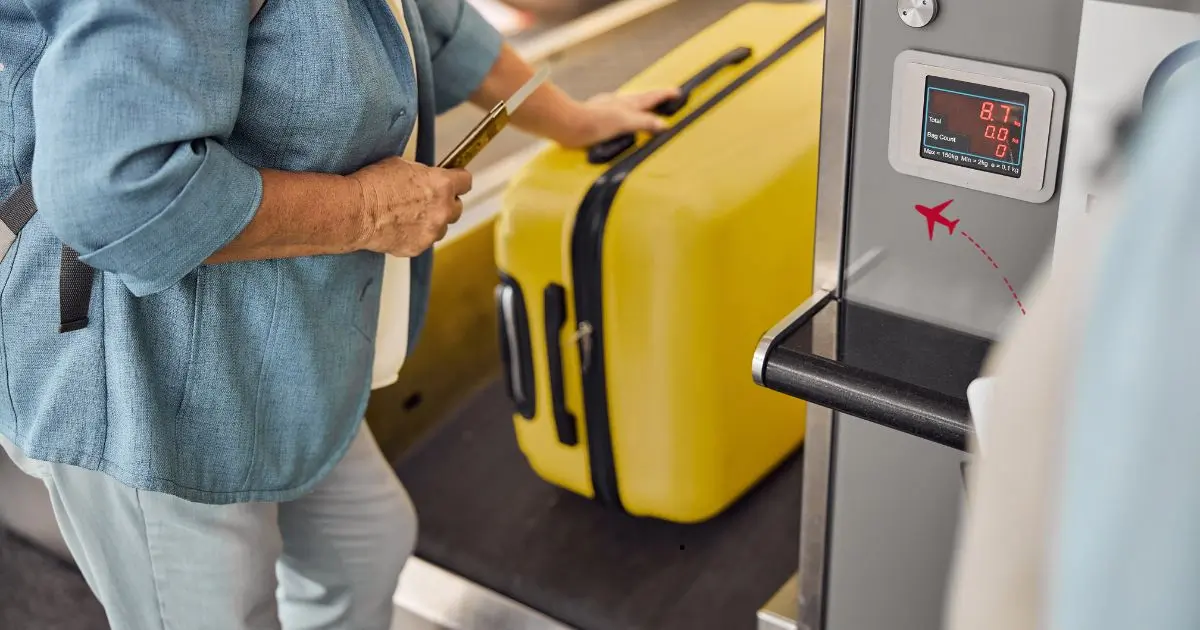
Stood at the IndiGo counter with a 16kg bag. The agent placed it on the scale. “Sir, excess baggage. ₹3,000.”
“But I booked 15kg online for ₹1,200 yesterday!”
“That was the online rate, sir. Airport rate is ₹3,000 for excess.”
“It’s only 1kg over!”
“Rules are rules, sir. ₹3,000 or the bag doesn’t fly.”
Paid ₹3,000. For one extra kilogramme. That’s ₹3,000 per kg—more expensive than gold.
Welcome to airline baggage fees, where profit margins exceed 1,000%, and passengers have zero negotiating power.
Let me show you the mathematics airlines desperately don’t want you seeing.
What it actually costs airlines to carry your 15kg bag:
What airlines charge you:
Profit margin: 800-1,500%
No other airline service comes close to this profitability. Your actual seat? Airlines operate on 2-4% margins. Your bag? Over 1,000% profit.
Meanwhile, base ticket fares have razor-thin margins. Airlines lose money on many ticket sales. They compensate by absolutely gouging passengers on baggage fees—because you have no choice once you’re at the airport.
Notice how your bag is never 14.6kg? It’s always 15kg. Never 15.4kg? Always 16kg.
Airlines’ programme scales to round up, not to the nearest kilogramme. Industry insiders confirm this practice is standard across Indian carriers.
Test this yourself:
That 300 grammes difference? Multiplied across millions of passengers annually? Massive additional revenue from literal thin air.
Ever seen an airline recalibrate its baggage scales? Neither has anyone else.
Home bathroom scales require annual calibration. Commercial scales used for trade (like at shops) require government certification every 6 months in India under the Legal Metrology Act.
Airline baggage scales? No visible certification, no public calibration records, no independent verification.
Try questioning the scale’s accuracy at the counter. Watch the agent’s response. “Sir, our scales are accurate. ₹3,000 please.”
Airline safety regulations care about total aircraft weight, not individual bag weight. A plane carrying 180 passengers with 15kg bags each has an identical total baggage weight, whether your specific bag weighs 14kg or 16kg.
But airlines enforce strict per-bag limits anyway. Why? Revenue maximisation, not safety.
IndiGo and SpiceJet employees carry metal measuring frames at boarding gates. They measure cabin bags to the exact millimetre.
Standard cabin bag allowance:
Your bag measures:
Result: “Sir, the bag is oversized. Please check in. ₹2,000.”
The reality: That 1cm makes zero difference to overhead bin fit. Your bag would fit perfectly. But rules are rules—when they generate revenue.
Notice how cabin bag checking intensifies during:
Notice how it disappears during:
Same rules. Selective enforcement. Maximum revenue extraction.
Seven kilogramme cabin bag limit. Do airlines actually weigh cabin bags at boarding?
IndiGo: Sometimes, randomly, mostly during peak season. Air India: Rarely on domestic, sometimes on international
SpiceJet: Frequently, especially on full flights. Vistara: Rarely enforced
Same DGCA regulations. Wildly different enforcement. Why? Revenue targets vary by route profitability.
Example: Delhi to Mumbai flight, 15kg check-in bag
Booked during ticket purchase:
Added online 24 hours before departure:
At the airport counter:
At the boarding gate (if the cabin bag doesn’t fit):
Same bag, same flight and the same cost to the airline. Price varies 200% based purely on when you pay.
The bag doesn’t get more expensive to carry. Airlines simply charge the maximum amount passengers will pay under time pressure.
Most airlines charge for excess baggage in fixed blocks, not per kilogram.
IndiGo excess baggage (Delhi-Mumbai):
The absurdity:
Solution airlines don’t mention: Carry the extra kilogramme in your cabin bag. Or wear heavy items. Or remove items at the counter, repack, and reweigh.
Many passengers panic at the counter and just pay. That’s the strategy.
Baggage scale shows 17kg. Allowance is 15kg.
Solution:
Saved: ₹1,500-₹3,000
Legality: Completely legal. You’re carrying the same items, just distributed differently.
Most airlines allow duty-free shopping bags in addition to cabin baggage allowance.
Strategy:
Items that work: Books, electronics, shoes, cosmetics (anything sold in duty-free)
Risk: Some alert staff might challenge this. Have actual duty-free receipt from previous trip as backup.
Travelling with family/friends? Distribute weight across all bags.
Example: Family of 4, total baggage 65kg
Instead of:
Better distribution:
Saved: ₹2,400 for 10 minutes of repacking.
Clothes compress significantly. Use vacuum seal bags or compression cubes.
Typical savings:
Cost: ₹500 for vacuum bags. Pays for itself in one trip.
Official rule: One cabin bag + one personal item (laptop bag, handbag, small backpack)
Reality: “Personal item” definition is vague.
What works:
Airlines that rarely enforce this: Vistara, Air India domestic Airlines that sometimes enforce: IndiGo, SpiceJet (peak times only)
Baggage fees decrease the earlier you book them.
Strategy:
Example:
1. Air India (International Routes)
2. Vistara
3. Qatar Airways / Emirates (for comparison)
1. IndiGo
2. SpiceJet
3. Air Asia India
Singapore Airlines (Delhi-Singapore):
IndiGo (Delhi-Singapore):
Difference: ₹7,500 – but Singapore Airlines includes meals, entertainment, better seats, and actual service.
The “budget” airline isn’t always cheaper once you add baggage.
Passengers constantly get confused about cabin bag restrictions. Here’s the actual BCAS (Bureau of Civil Aviation Security) guidelines:
The loophole: Medications don’t count toward the 1-litre limit if you have a prescription/doctor’s note.
Pro tip: Print the BCAS guidelines on your phone. Show security officers if challenged. They often don’t know their own rules.
Airlines care about total weight per bag, not how that weight is distributed inside. Use this strategically.
Place heaviest items:
Why it matters: Some baggage handlers shake or tilt bags on scales. Proper weight distribution prevents the bag from registering heavier than its actual weight due to scale calibration points.
Does this actually work? Industry insiders say modern scales should be immune to this, but older scales at some airports may register differently based on weight distribution. Worth trying when you’re borderline.
If you suspect the scale is inaccurate, you can request reweighing on a different scale. Most passengers don’t know this.
How to request:
Success rate: About 30%. Worth trying if facing a large excess baggage fee.
Legal basis: Legal Metrology Act allows consumers to question weight/measurement accuracy in commercial transactions.
Fees vary dramatically based on route distance and competition.
Example: Delhi-Jaipur, Mumbai-Pune
IndiGo:
SpiceJet:
Why so high for short routes? Maximum revenue extraction. Passengers booking short flights often book last-minute (business travel) and will pay.
Example: Delhi-Mumbai, Bangalore-Kolkata
IndiGo:
Air India:
Example: Delhi-Guwahati, Mumbai-Kochi
IndiGo:
Vistara:
Southeast Asia (Delhi-Bangkok, Mumbai-Singapore):
Middle East (Delhi-Dubai, Mumbai-Doha):
Long-Haul (US, Europe, Australia):
Golf clubs, skis, surfboards, bicycles—airlines charge obscene fees for sports equipment.
IndiGo Golf Club Fee (Domestic):
Actual cost to airline: Same as regular 15kg bag (₹200-₹250)
The markup: 1,600% profit margin
Many sports equipment items can be disassembled to fit in the regular baggage allowance.
What works:
What doesn’t work:
Alternative: Ship equipment separately via courier. For domestic travel, often cheaper than airline fees for bulky sports equipment.
Guitarists, violinists, and other musicians face unique baggage nightmares.
DGCA Rules: Musical instruments under cabin bag size/weight can be carried in the cabin.
Reality: “Sir, your guitar is too big. Please check in. ₹2,000.”
Official exception: Many airlines allow musical instruments as checked baggage if they fit in standard baggage dimensions when cased.
What actually happens:
Solution: Buy an extra seat for large instruments. Seriously. Airlines allow this—you pay a discounted rate (usually 50-75% of the passenger fare), and the instrument gets its own seat.
Cost comparison:
Professional musicians do this routinely.
Follow the money. Baggage fees represent 20-30% of revenue for budget airlines.
IndiGo Annual Revenue Breakdown (Approximate):
Remove baggage fees? Base fares would need to increase 25-30% to maintain profitability. But higher base fares look less competitive in search results.
The psychological pricing game:
But search engines ranked IndiGo first because the base fare was lowest. The customer clicked on IndiGo. Sunk cost fallacy kept them from switching airlines mid-booking.
This psychology works. Airlines won’t abandon it voluntarily.
Let’s see how Indian airlines compare globally for a standard economy ticket:
India to Dubai Route:
| Airline | Check-In Allowance | Cabin Allowance | Included? |
|---|---|---|---|
| Emirates | 30kg | 7kg | Yes |
| Air India | 25kg | 7kg | Yes |
| IndiGo | 0kg (must purchase) | 7kg | No |
| SpiceJet | 15kg | 7kg | Sometimes |
India to London Route:
| Airline | Check-In Allowance | Cabin Allowance | Included? |
|---|---|---|---|
| British Airways | 23kg | 6kg | Yes |
| Air India | 2 × 23kg | 7kg | Yes |
| (Budget airlines don’t fly this route) | – | – | – |
India to Singapore Route:
| The Airline | Check-In Allowance | Cabin Allowance | Included? |
|---|---|---|---|
| Singapore Airlines | 30kg | 7kg | Yes |
| Air India | 25kg | 7kg | Yes |
| IndiGo | 0kg (purchase ₹4,500) | 7kg | No |
Pattern: Full-service airlines include generous baggage. Budget airlines charge separately, but the total cost often approaches full-service pricing once baggage is added.
Baggage gets damaged. Airlines have specific liability under DGCA regulations.
Immediate Reporting is Critical:
Don’t leave the airport without filing PIR. Claims filed later face rejection.
DGCA liability limits:
Example:
Airlines fight every baggage damage claim. Expect:
Success rate: 40% of passengers get fair compensation. Most give up after the first denial.
Pro tip: File a complaint on AirSewa immediately if the airline denies a reasonable claim. Regulatory pressure often forces payment.
What’s coming next?
Some international airlines already implement this:
Indian airlines will likely adopt this within 2-3 years.
Samoa Air pioneered this controversial model: Total weight (passenger + baggage) determines fare.
Logic: Heavier loads cost more fuel. Reality: Complex, potentially discriminatory India adoption: Unlikely due to social/cultural resistance
Airlines might offer annual baggage subscriptions:
Currently tested internationally. Could arrive in India by 2026-2027.
Expect base fares to drop further whilst baggage fees increase.
Current model:
Future model (predicted):
Same total cost, looks cheaper in search engines.
Airlines discovered that baggage fees represent their highest profit margin product. A service costing ₹200-₹250 sells for ₹1,200-₹3,000—that’s 800-1,500% markup.
Your defence strategies:
Airlines profit from passenger ignorance. You’re not ignorant anymore.
That ₹3,000 bag fee? You now know it’s 1,100% profit margin. You know the tricks to avoid it. You know your legal rights when airlines damage your baggage.
Next time an airline tries to extract excessive baggage fees, you’ll know exactly what to do.
Official Resources:
Related Mast Yatri Articles:
Airline Baggage Policy Pages:
Airlines charge ₹1,200-₹3,000 for baggage that costs them ₹200-₹250 to carry (fuel and handling). This 800-1,500% profit margin exists because passengers have no alternative once at the airport. Baggage fees contribute 20-30% of budget airline revenue—they’re essential to their business model despite minimal actual costs.
Yes, within limits. Airlines allow one cabin bag (7kg) plus one personal item (laptop bag, handbag, small backpack). A large backpack as “personal item” can hold 5-7kg additional weight. Combined with cabin bag, you can carry 12-14kg without check-in fees. Enforcement varies—Vistara and Air India rarely check this, whilst IndiGo sometimes enforces during peak travel.
Industry sources confirm scales are programmed to round up, not to nearest kilogramme. A 14.7kg bag shows as 15kg. Additionally, unlike commercial scales used in shops (which require Legal Metrology Act certification every 6 months), airline baggage scales have no visible public calibration records or independent verification requirements.
Always cheapest at initial booking (₹800-₹1,200). Second cheapest is online 24-48 hours before departure (₹1,200-₹1,500). Airport counter costs double (₹2,400-₹3,000). Gate check-in if cabin bag doesn’t fit costs most (₹3,000-₹4,000). Never wait until airport—book baggage online minimum 24 hours before departure to save 30-50%.
Yes. You have the right under Legal Metrology Act to question weight accuracy in commercial transactions. Politely request: “I’d like to verify this weight on another scale for my peace of mind.” Airlines must accommodate reasonable verification requests. Success rate is about 30%, but worth trying for large excess baggage fees.
Under DGCA regulations, airlines are liable for damaged baggage. Critical: Report damage immediately before leaving baggage claim area. File Property Irregularity Report (PIR), photograph damage, keep baggage tag. Compensation up to ₹350/kg domestic (₹5,250 for 15kg bag) or ₹1,400/kg international. Airlines will resist—file AirSewa complaint if denied reasonable compensation.
Enforcement varies significantly. IndiGo and SpiceJet frequently weigh cabin bags, especially during peak travel and full flights. Air India domestic rarely enforces. Vistara occasionally checks. International flights enforce more strictly. Same DGCA regulations apply to all airlines, but enforcement depends on revenue targets, route profitability, and flight occupancy.
Often depends on total baggage needs. Example: Delhi-Singapore on IndiGo costs ₹12,000 base + ₹5,500 for 30kg baggage = ₹17,500 total. Singapore Airlines includes 30kg for ₹25,000. If you need full baggage allowance, full-service is only ₹7,500 more and includes meals, entertainment, better seats. Always calculate total cost including baggage before deciding.
This article provides general information about airline baggage policies and fees in India. Whilst we strive for accuracy, airline policies change frequently. Baggage allowances, fees, and weight limits mentioned reflect approximate rates as of December 2024. This content is for informational purposes only. Always verify your airline’s current baggage policies directly before travelling. Fees may vary based on route, booking class, and frequent flyer status.
Eccentric Blogger, Traveler and Consultant.